No Crash Report After a Texas Car Accident? What You Should Do
Author: Attorney, Veronica Valenzuela
3:20pm
No Crash Report After a Texas Car Accident? What You Should Do
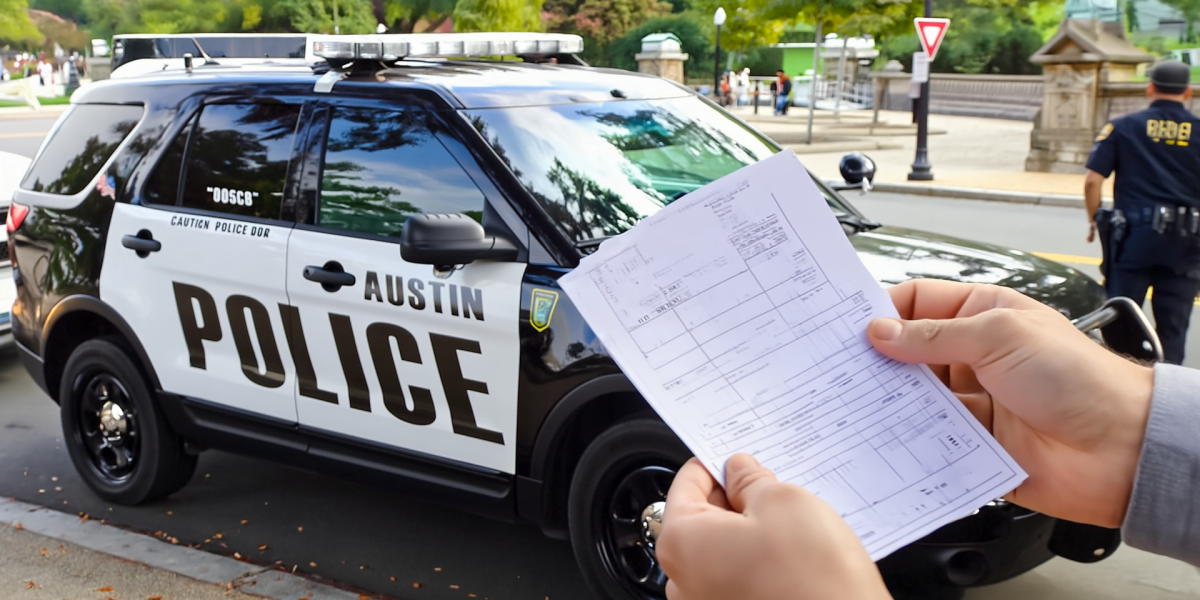
You were involved in a car accident. You called law enforcement, but an officer did not come to the scene—or no crash report was created.
Now you may be wondering: Can I still make an insurance claim? Did I do something wrong? Does not having a crash report hurt my case?
Don’t panic.
A crash report can be helpful after an accident, but not having one does not automatically prevent you from pursuing an insurance claim or personal injury case. When no report is available, however, the evidence you collect yourself can become especially important.
Not every car accident results in a police crash report.
You may call law enforcement and an officer may not be able to respond to the scene. Whatever the reason, the absence of a crash report does not automatically mean that you did something wrong or that you cannot pursue a claim.
As Austin personal injury attorney Veronica Valenzuela explains, the important thing is not to panic—but you should take steps to protect yourself and preserve information about the accident.
Prefer to Watch the Video?
Veronica explains what you can do at the accident scene when law enforcement does not create a crash report.
INSERT ENGLISH YOUTUBE VIDEO HERE:
Can You Make an Insurance Claim Without a Crash Report?
Not having a crash report does not automatically prevent you from pursuing an insurance claim.
A police report can provide useful information about the drivers, vehicles and circumstances surrounding a collision, but it is not the only evidence that may be available after an accident.
Photographs, vehicle damage, witness information, insurance information, medical records, video footage and other evidence may also help document what happened.
That is why collecting information at the scene becomes particularly important when no police report is created.
What Should You Do If There Is No Crash Report?
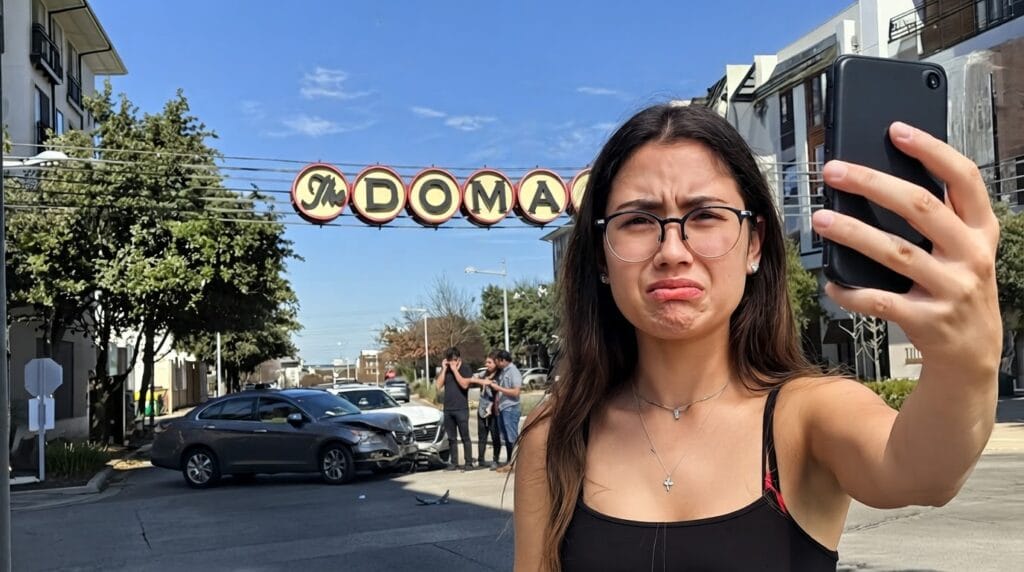
If law enforcement does not respond to the accident scene or no crash report is created, your phone can become one of your most useful tools.
Take a Picture of the Other Vehicle’s License Plate
Photograph the license plate of the other vehicle. This helps preserve identifying information about the vehicle involved in the accident.
Take a Picture of the Other Driver’s License
If it is safe to do so and the other driver allows you, photograph the driver’s license. If you cannot take a photograph, carefully record the driver’s information.
Get the Other Driver’s Insurance Information
Ask for the other driver’s insurance information. If the driver allows you to photograph the insurance card, doing so can help prevent mistakes when copying the insurance company, policy number or other information.
Photograph the Accident Scene
Take pictures of your vehicle, the other vehicle and your surroundings.
Depending on the accident, useful photographs may include vehicle damage, vehicle positions, traffic signals, road signs, lane markings, intersections, debris and other conditions that may help document what happened.
Look for Witnesses
If someone witnessed the accident, ask for the person’s name and contact information.
You should also look around the area for businesses, homes or other locations that may have cameras. Video recordings can sometimes be overwritten or deleted, so identifying possible video evidence early may be important.
A Crash Report Is Only One Piece of Evidence
A crash report can be useful, but the existence—or absence—of a report does not by itself determine whether an injured person has a valid claim.
Every accident is different, and the available evidence must be evaluated based on the particular facts and circumstances of the collision.
Injured in an Accident Without a Crash Report?
If you were injured in an accident and no crash report was created, don’t assume that you have no options.
An attorney can review what happened, determine what evidence may still be available and help you understand your options for pursuing a claim.
V Valenzuela Law is an Austin-based personal injury law firm representing people injured in car, truck and motorcycle accidents.
Initial consultations are free.
I’m Veronica Valenzuela. Remember the V and the V.
This article is intended for educational purposes only and should not be considered legal advice. Every accident is different, and the facts of each case matter.